

2025 Food Trends That Changed How We Cook This Year
From air fryer everything to cottage cheese mania, 2025 completely transformed our kitchens. Let's look back at the food trends that actually stuck around and changed how we cook, eat, and think about food.

@cat_thecook
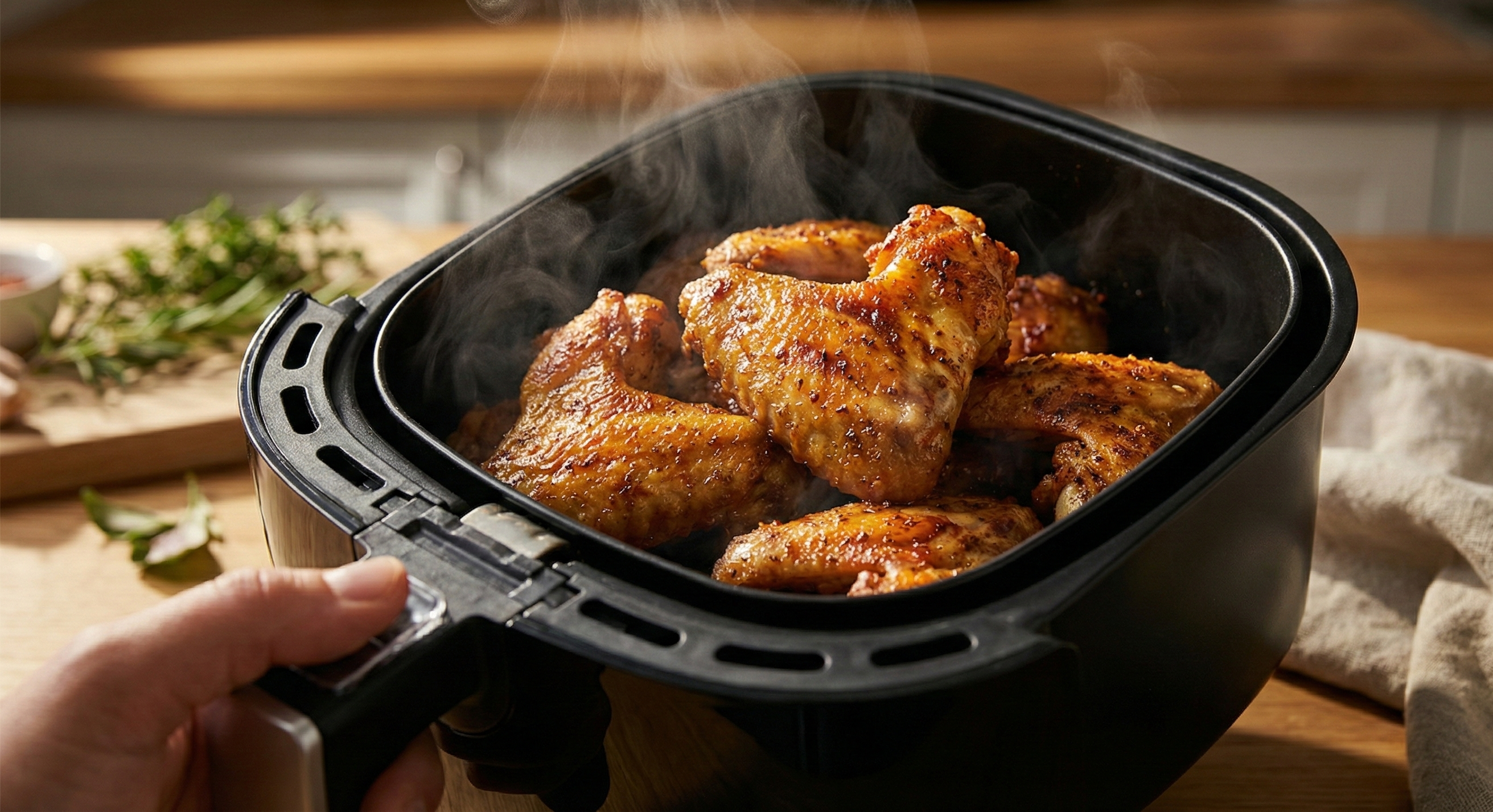
The Air Fryer Finally Grew Up
Remember when air fryers were just for frozen fries? Yeah, 2025 changed that completely. This year, we watched air fryers evolve from a gimmicky appliance to an actual cooking workhorse. People started making everything in them — from perfectly crispy Brussels sprouts to entire roasted chickens, and even desserts like molten lava cakes.
What made this trend stick wasn't just the crispy results. It was the time factor. In a world where we're all rushing between work, side hustles, and actually having a life, the air fryer became that reliable friend who gets dinner done in 20 minutes. Plus, with energy costs going up, using less electricity than a full oven? That's a win people actually care about.
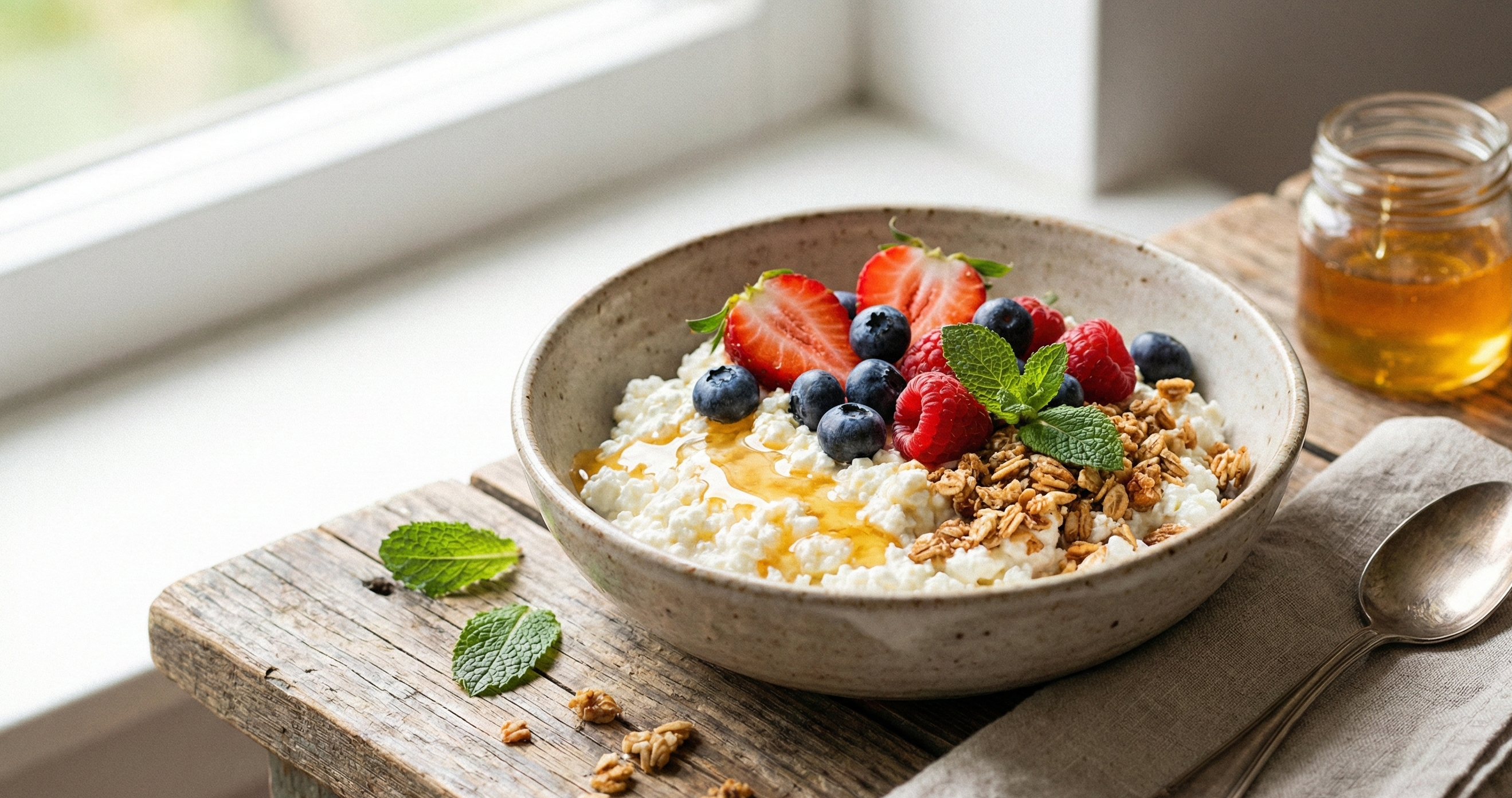
Cottage Cheese Had Its Main Character Moment
If someone told you in 2024 that cottage cheese would break the internet in 2025, you'd probably laugh. But here we are. TikTok made cottage cheese cool, and honestly, it deserved the spotlight. From cottage cheese ice cream to protein-packed breakfast bowls, this humble dairy product became the MVP of high-protein cooking.
The genius part? It wasn't just about protein content. Cottage cheese became this blank canvas ingredient that people could blend into smoothies, bake into bread, or whip into creamy pasta sauces. It's versatile, it's cheap, and it fits into literally every diet trend out there. No wonder it went viral.
"I never thought I'd see the day where cottage cheese would be trending harder than avocado toast, but 2025 really said 'hold my protein shake."
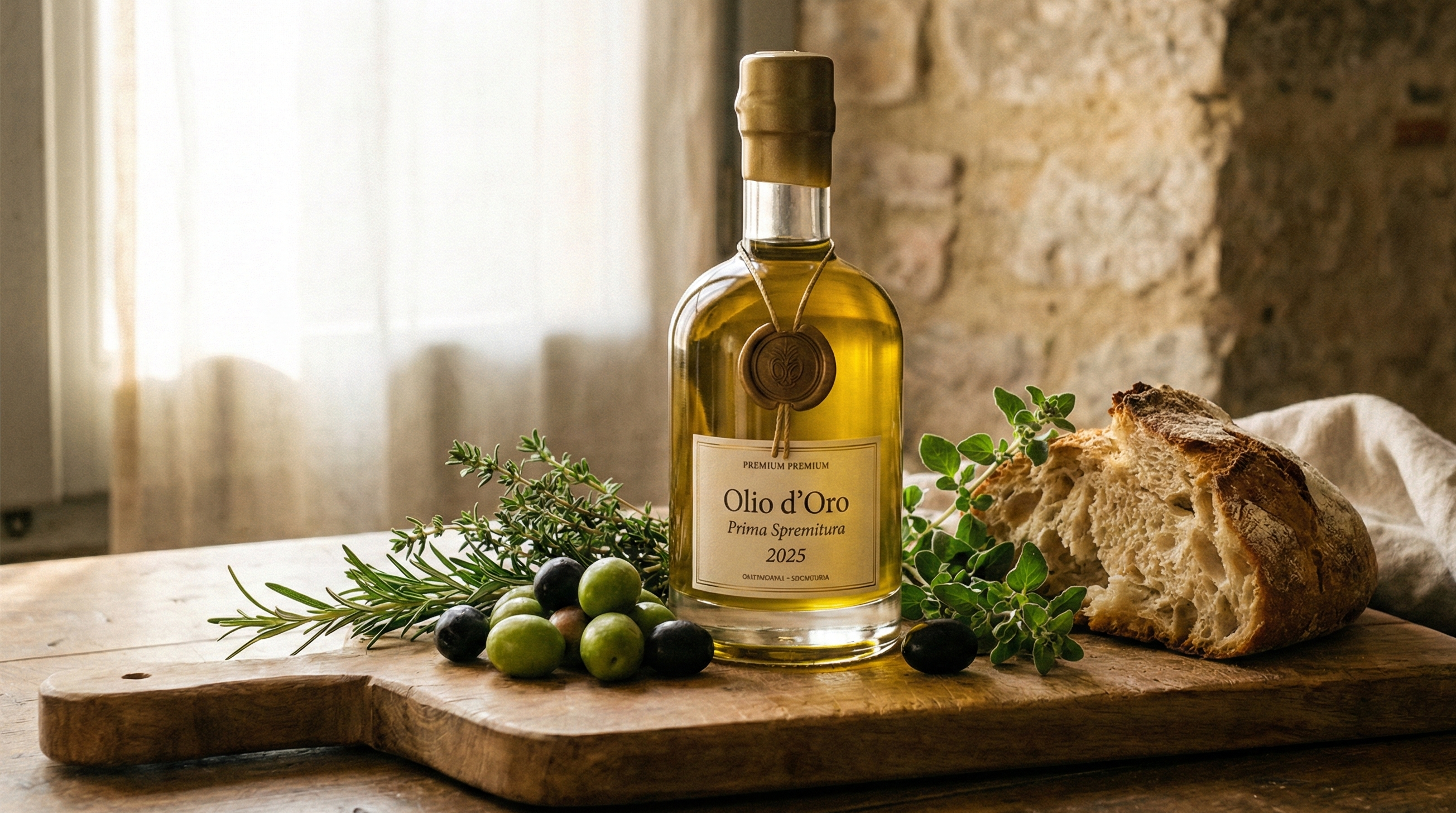
Olive Oil Became Liquid Gold (Literally)
2025 was rough for olive oil lovers. Prices skyrocketed because of climate issues in Mediterranean regions, and suddenly, that bottle of extra virgin became a luxury item. But instead of giving up, home cooks got creative. We saw people treating olive oil like fine wine — tasting different varieties, drizzling it as a finishing touch instead of cooking with it, and actually caring about where it came from.
The silver lining? This pushed people to explore other cooking oils they'd ignored before. Avocado oil, grapeseed oil, and even sunflower oil got their moment. Sometimes constraints breed the best innovation.
Sourdough's Comeback (Yes, Again)
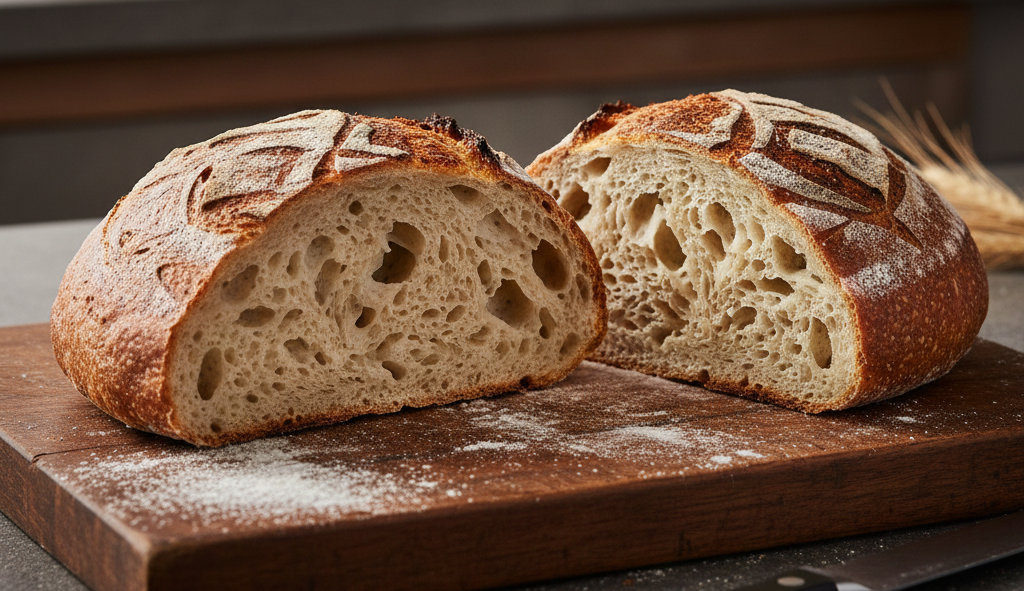
We know, we know — sourdough had its pandemic moment in 2020. But 2025 brought a different kind of sourdough renaissance. This time, it wasn't about boredom baking. It was about gut health, reducing food waste with discard recipes, and honestly, the therapeutic ritual of feeding a starter became weirdly calming for a lot of people.
Plus, the sourdough community online got serious. People were sharing troubleshooting tips, posting their crumb shots like proud parents, and creating hybrid recipes that mixed sourdough techniques with other breads. It became less about perfection and more about the process.
Nostalgic Foods Got a Gourmet Upgrade
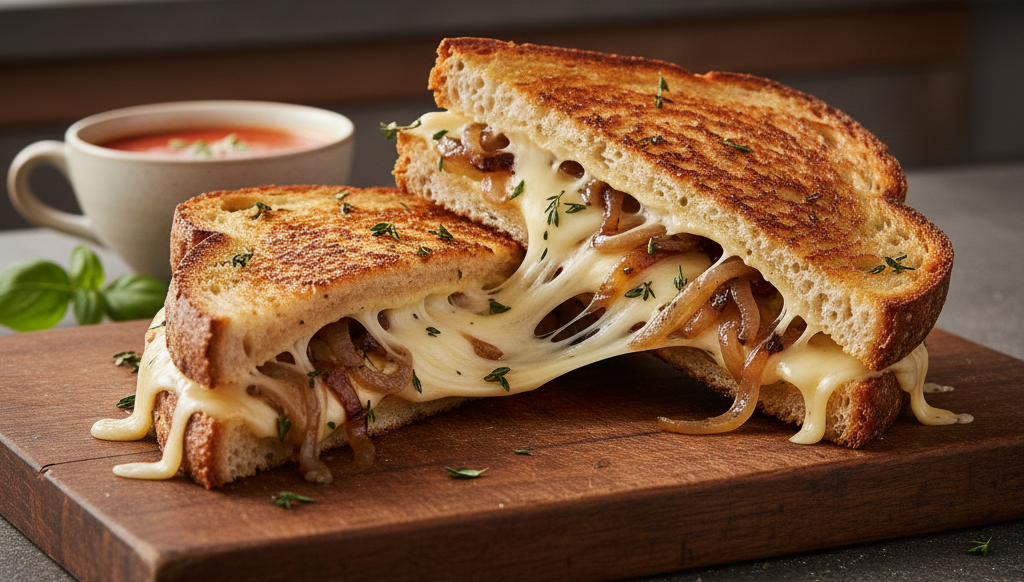
2025 was the year we stopped pretending we didn't love the foods we grew up with. But instead of just eating boxed mac and cheese straight (no judgment), we elevated it. Gourmet grilled cheese with fancy cheeses and caramelized onions. Elevated instant ramen with soft-boiled eggs and chili oil. Homemade versions of fast food favorites that somehow tasted better.
This trend hit different because it wasn't about being fancy for fancy's sake. It was about respecting comfort food while making it a little more interesting. You could still get that nostalgic hit but with better ingredients and actual technique.
Sustainability Stopped Being Optional
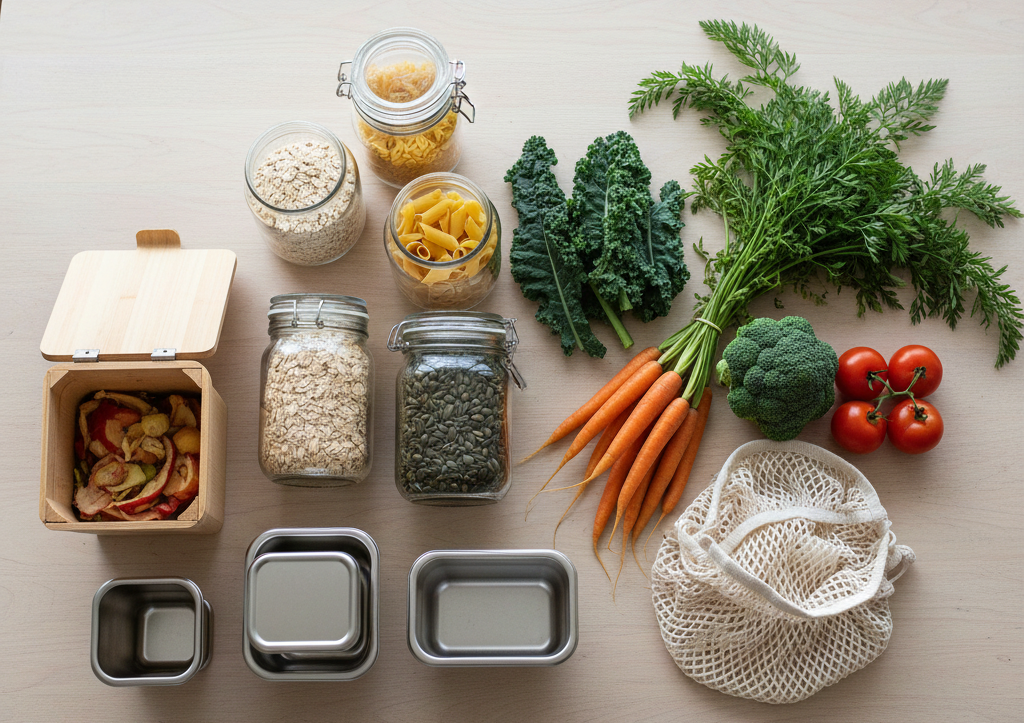
Here's where things got real. In 2025, sustainable cooking moved from "nice to have" to "we actually have to do this." More people started composting, reducing food waste, buying imperfect produce, and choosing plant-based meals a few times a week — not because they went vegan, but because they understood the impact.
Meal planning apps that tracked food waste got popular. Zero-waste recipes (using every part of vegetables, saving herb stems for stock) became normal. And restaurants started advertising their sustainability practices like it was a menu item. The shift was real, and it actually changed behavior.
The 'Gourmet at Home' Movement
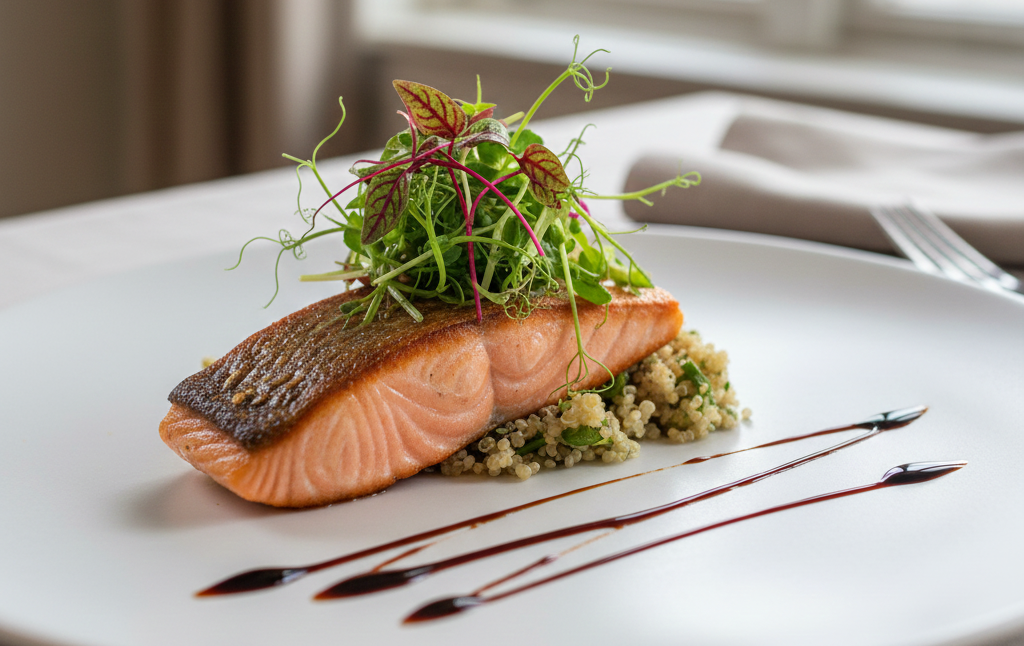
Fine dining went home this year. With restaurant prices getting wild, people decided to recreate restaurant experiences in their own kitchens. Sous vide machines became affordable. YouTube tutorials taught us plating techniques. We learned what "deglaze" actually means and started using it in regular conversation.
This wasn't about being pretentious — it was about getting restaurant-quality results without the $200 bill. People hosted dinner parties where they cooked instead of ordering catering. They bought nicer knives and actually learned to use them properly. Home cooking leveled up in a major way.
Fermentation Got Weird (In a Good Way)
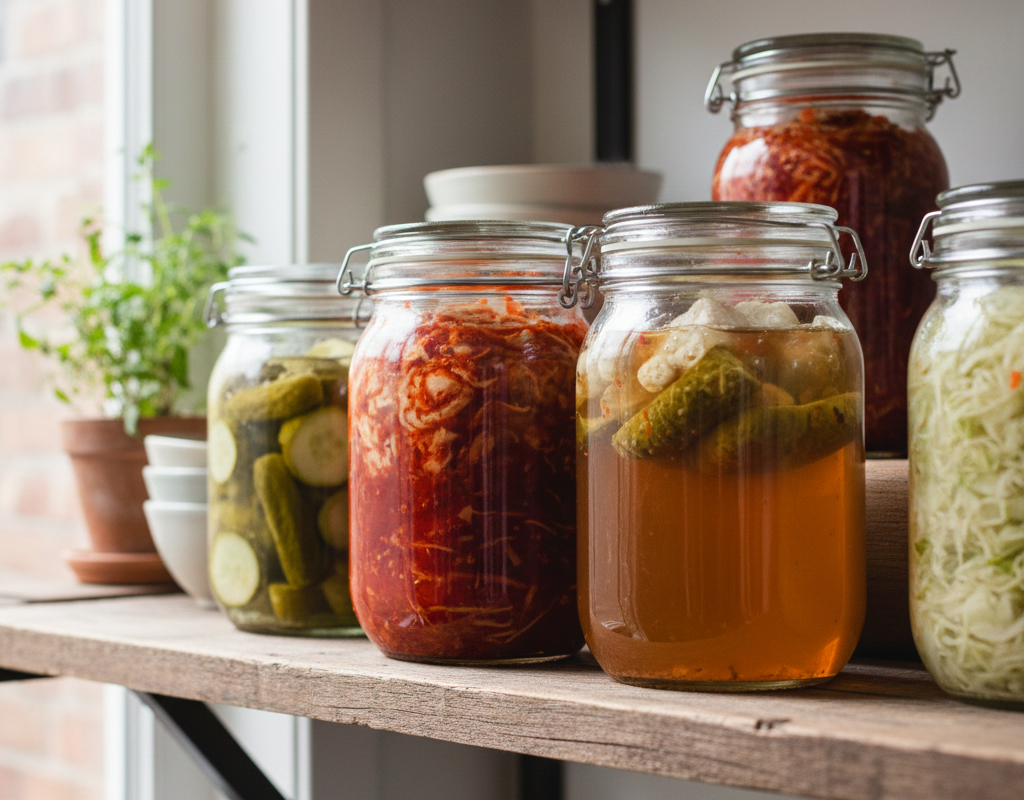
Kimchi and kombucha were just the beginning. In 2025, home fermentation went full experimental mode. People were fermenting hot sauces, making their own miso, and even trying their hand at koji. Fermentation fridges became a thing. The gut-health obsession was real, but so was the flavor experimentation.
Sure, not every experiment was successful (RIP to all the failed ferments that had to be thrown out), but the willingness to try weird preservation techniques showed how adventurous home cooks had become.
Quick Doesn't Mean Bad Anymore
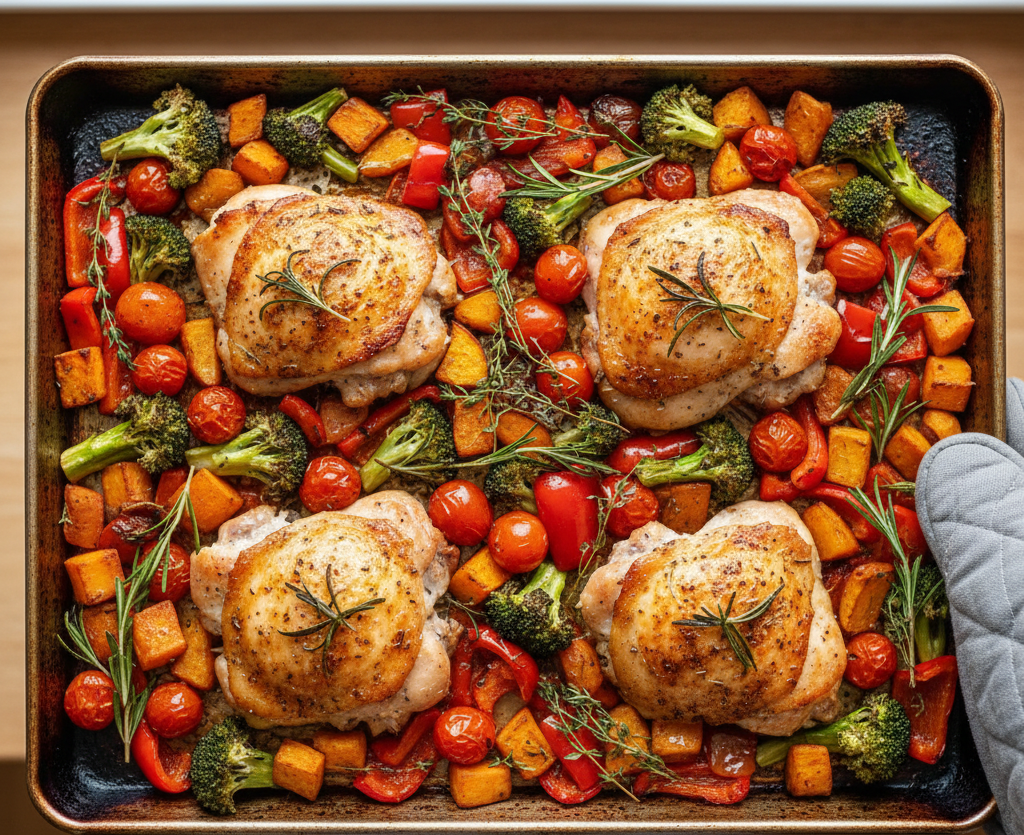
2025 finally killed the myth that fast cooking equals bad cooking. Sheet pan dinners, one-pot meals, and 15-minute recipes dominated, but they were actually good. Food content creators focused on realistic cooking for busy people, and the quality didn't suffer.
The key was smart shortcuts — pre-chopped vegetables when needed, quality frozen ingredients, batch-prepped components. No shame, just efficiency. Because spending three hours on a Tuesday dinner isn't realistic for most people, and we finally stopped pretending it was.
Global Flavors Hit Mainstream
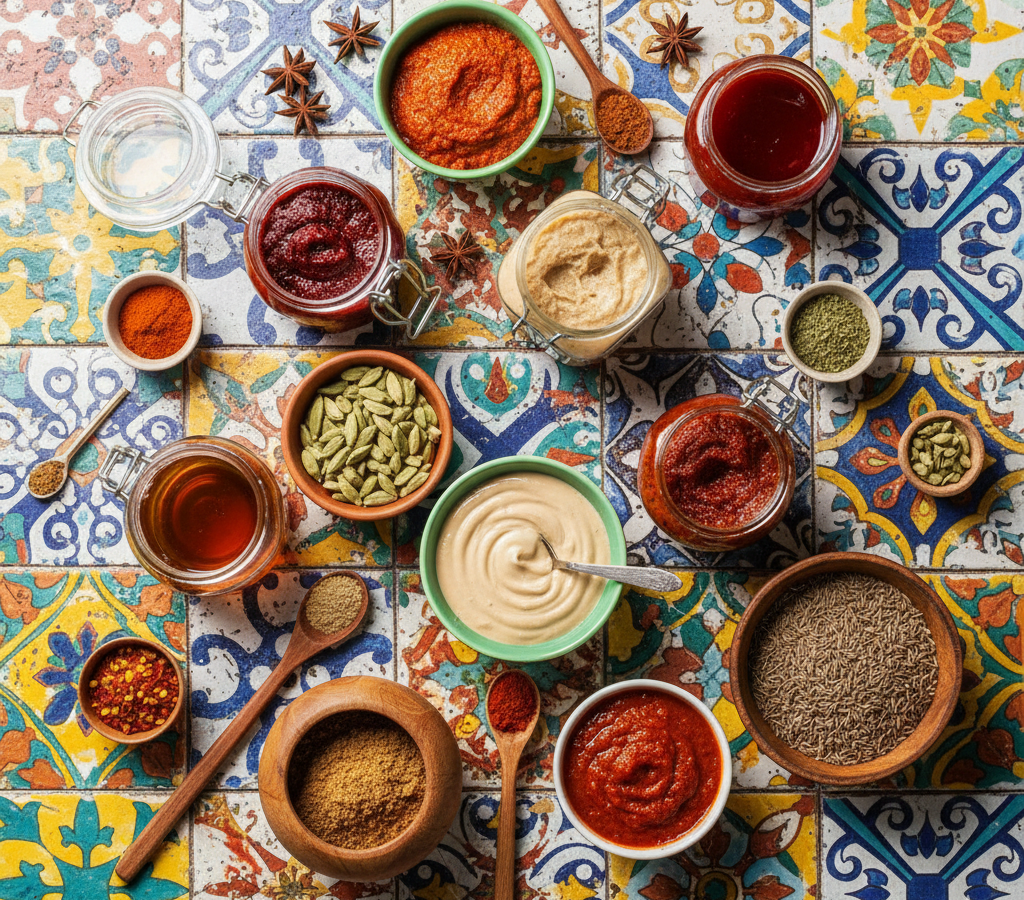
This was huge. Ingredients that were "exotic" a few years ago became pantry staples in 2025. Gochujang, harissa, fish sauce, tahini — these weren't special occasion ingredients anymore. They were Wednesday night flavor boosters. People got comfortable experimenting with global cuisines without worrying about "authenticity" policing.
The best part? This made cooking more exciting. Instead of the same rotation of boring dinners, home cooks had a whole world of flavors to play with. And honestly, that made time in the kitchen feel less like a chore and more like an adventure.
Looking back at 2025, the biggest shift wasn't just what we cooked — it was how we approached cooking. We got smarter, more resourceful, and way less judgmental about taking shortcuts. We cared about sustainability but kept it practical. We embraced comfort food without guilt and tried new techniques without fear of failure.
As we head into 2026, these trends aren't going anywhere. They've become habits, part of how we think about food. And honestly? That's way more meaningful than any viral recipe trend could ever be. Here's to another year of good food, smart cooking, and kitchens that actually work for real life.